
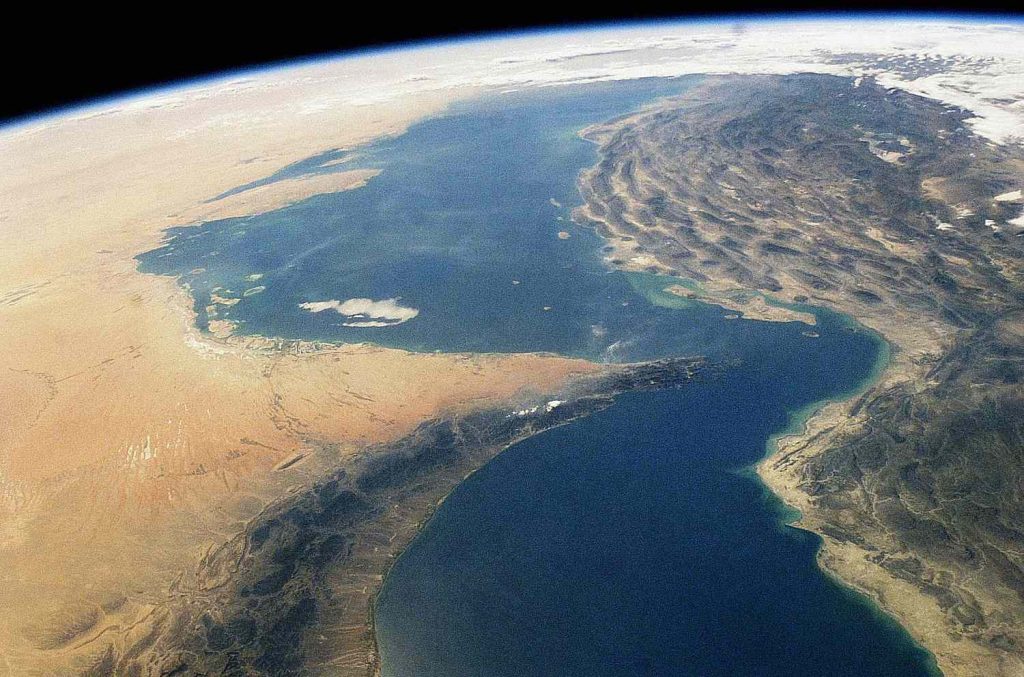
The Strait of Hormuz continues to face severe operational pressure as geopolitical tensions in the region increasingly affect global maritime trade and energy transportation. Shipping companies, insurers, and naval authorities remain on high alert as commercial activity through one of the world’s most critical maritime chokepoints experiences major disruption.
Recent reports from maritime intelligence and industry monitoring services indicate a significant decline in vessel transits through the Strait, accompanied by growing congestion inside the Persian Gulf. War-risk insurance premiums have risen sharply, while shipowners continue reassessing voyage planning and operational exposure in the region.
However, claims that Iran has formally “closed” the Strait or officially established a fully operational “Persian Gulf Strait Authority” controlling all vessel passage cannot currently be fully verified through major international maritime authorities such as the International Maritime Organization (IMO), UK Maritime Trade Operations (UKMTO), Reuters, or Associated Press reporting.
What is confirmed is that the region has entered a period of heightened maritime uncertainty. Thousands of seafarers and hundreds of vessels are being affected by delays, elevated security conditions, and operational unpredictability. The IMO has acknowledged that approximately 20,000 seafarers are currently impacted by the instability surrounding the Strait of Hormuz.
The broader concern extends beyond immediate security risks. The Strait of Hormuz handles a substantial portion of global energy exports, meaning prolonged instability directly affects fuel prices, freight markets, insurance systems, and global supply chain confidence. Even without a formal closure, reduced vessel movement and rising geopolitical pressure are enough to create widespread economic consequences.
For the maritime sector, the situation reflects how quickly political escalation can transform into commercial disruption. Shipping routes that normally function as stable arteries of global trade are increasingly vulnerable to geopolitical competition, military signaling, and uncertainty-driven market reactions.
I believe sordid affairs must be put aside and a bigger framework must be considered by all parties involved. What may begin as a race for power and influence can quickly evolve into an ego-driven confrontation that leaves markets, industries, and global decision-makers anxious and unpredictable. In today’s highly interconnected world, such measures carry enormous risks not only for the region, but for the stability of global trade itself. Therefore, both sides must soon find a practical grey zone where mutual interests can be protected without pushing the global maritime system toward deeper instability.
Leave a Reply